
“Explore the best crypto investment strategies for 2025, covering long-term holding and short-term trading. Discover which approach aligns with your financial goals and risk tolerance.”
As we step into 2025, the world of cryptocurrency continues to evolve, presenting investors with a myriad of opportunities. The decision to adopt a long-term or short-term approach can significantly impact one’s success in this volatile market.
Understanding the nuances between these two crypto investment strategies is crucial. While some investors prefer the stability of holding assets over an extended period, others thrive on the rapid fluctuations of the market, engaging in short-term trading.
This article aims to provide a comprehensive overview of both approaches, helping you navigate the complex landscape of crypto investments and make informed decisions that align with your financial goals.
Key Takeaways
- Understanding the difference between long-term and short-term investment strategies.
- Assessing the risks and rewards associated with each approach.
- Identifying the most effective strategies for navigating the 2025 crypto market.
- Learning how to diversify your investment portfolio.
- Gaining insights into market trends that influence investment decisions.

The Evolving Crypto Landscape in 2025
The crypto market in 2025 is characterized by a dynamic interplay of technological advancements and evolving regulatory frameworks. This section will explore the key market trends shaping the crypto landscape and the impact of regulatory changes on the industry.
Key Market Trends Shaping Crypto in 2025
The crypto market in 2025 is witnessing several key trends. Decentralized Finance (DeFi) continues to grow, with new protocols and applications emerging. Non-Fungible Tokens (NFTs) are also gaining traction, with increased adoption in various industries.
| Trend | Description | Impact |
| DeFi Growth | Expansion of DeFi protocols and applications | Increased financial inclusion and new investment opportunities |
| NFT Adoption | Rising use of NFTs in art, gaming, and other industries | New revenue streams for creators and artists |
Regulatory Changes and Their Impact
Regulatory changes are significantly impacting the crypto landscape in 2025. Governments and regulatory bodies are implementing new guidelines to ensure investor protection and market stability. Anti-Money Laundering (AML) and Know Your Customer (KYC) regulations are becoming more stringent, affecting how crypto businesses operate.
These regulatory changes are expected to bring more legitimacy to the crypto market, potentially attracting institutional investors. However, they also pose challenges for smaller crypto businesses that may struggle to comply with the new regulations.
Effective Crypto Investment Strategies for 2025
Investors in the crypto space in 2025 are faced with a critical decision: whether to adopt a long-term or short-term investment approach. The choice between these strategies depends on several factors, including risk tolerance, investment goals, and market understanding.
Defining Long-Term vs Short-Term Approaches
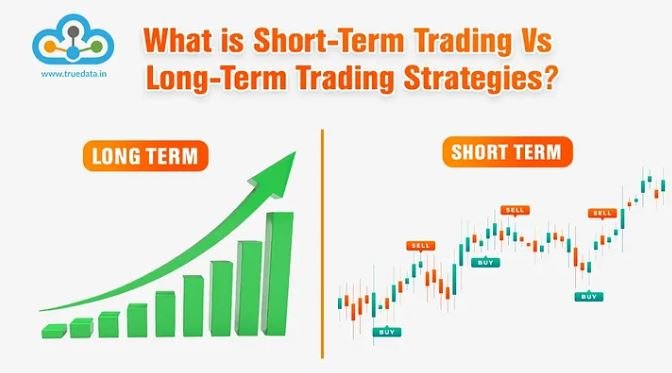
Long-term crypto investment involves holding assets for an extended period, typically over a year, to ride out market fluctuations and potentially benefit from the overall growth of the cryptocurrency market. This approach requires patience and a strong conviction in the potential of the chosen cryptocurrencies.
Short-term strategies, on the other hand, involve actively trading cryptocurrencies over a shorter timeframe, often within days or weeks. This approach demands a deep understanding of market dynamics and the ability to make quick decisions based on market analysis.
Risk-Return Profiles of Different Strategies
The risk-return profile of long-term crypto investment is generally characterized by lower volatility compared to short-term trading, as it smooths out market fluctuations over time. However, the potential returns may be lower compared to successful short-term trades.
Short-term trading offers the potential for higher returns due to the ability to capitalize on market volatility. Nonetheless, it comes with a higher risk due to the rapid price movements and the need for precise market timing.
Understanding these risk-return profiles is crucial for investors to align their investment strategies with their financial goals and risk tolerance.
Long-Term Crypto Investment Strategies
In the evolving crypto landscape of 2025, adopting a long-term investment strategy can be a game-changer for investors. As the market continues to mature, investors are looking for strategies that can help them navigate the volatility and achieve their financial goals.
HODL Strategy: Benefits and Considerations
The HODL (Hold On for Dear Life) strategy involves holding onto cryptocurrencies for an extended period, regardless of market fluctuations. This approach can be beneficial for investors who believe in the long-term potential of their chosen cryptocurrencies. Key benefits include reduced transaction costs and the potential for significant long-term gains. However, it requires a strong risk tolerance and a deep understanding of the market.
Dollar-Cost Averaging for Crypto
Dollar-cost averaging is an investment strategy that involves investing a fixed amount of money at regular intervals, regardless of the market’s performance. This approach can help reduce the impact of volatility and timing risks. It’s particularly useful in the crypto market, where prices can fluctuate rapidly. By averaging out the cost, investors can potentially lower their overall investment cost and mitigate risks.
Staking and Yield Farming
Staking and yield farming are other long-term strategies gaining popularity. Staking involves holding funds in a cryptocurrency wallet to support the operation of a blockchain network, earning rewards in the form of additional cryptocurrencies. Yield farming, on the other hand, involves lending cryptocurrencies to generate returns, often through decentralized finance (DeFi) platforms. Both strategies offer potential for passive income, but they come with their own set of risks, including smart contract risks and market volatility.
| Strategy | Risk Level | Potential Return |
| HODL | High | High |
| Dollar-Cost Averaging | Medium | Medium |
| Staking | Medium | Medium |
| Yield Farming | High | Very High |
Each of these long-term crypto investment strategies has its unique benefits and considerations. Investors should carefully evaluate their risk tolerance, financial goals, and market understanding before choosing a strategy.
Short-Term Crypto Trading Tactics
In the fast-paced world of cryptocurrency, short-term trading strategies can offer significant opportunities for profit. As investors look to capitalize on the market’s volatility, understanding the nuances of short-term trading tactics becomes crucial.
Short-term trading in cryptocurrencies involves making multiple trades over a short period, typically within a day or a few weeks. This approach requires a deep understanding of market dynamics and the ability to make quick decisions based on market fluctuations.
Day Trading Cryptocurrencies
Day trading involves buying and selling cryptocurrencies within a single trading day, with all positions closed before the market closes. This strategy demands a high level of market knowledge and the ability to monitor the markets constantly.
Key benefits of day trading include:
- Potential for high returns in a short period
- Opportunity to capitalize on market volatility
However, day trading also comes with significant risks, including the potential for substantial losses if the market moves against the trader’s positions.
Swing Trading Strategies
Swing trading is a strategy that involves holding positions for a shorter period than investing, but longer than day trading, typically from a few days to a few weeks. This approach allows traders to capitalize on expected market moves without the need for constant market monitoring.
Effective swing trading requires:
- Understanding of market trends and patterns
- Ability to set appropriate entry and exit points
As noted by a crypto trading expert, “Swing trading can be an effective way to profit from cryptocurrency price movements without the intense monitoring required for day trading.”
Scalping in Volatile Markets
Scalping is a short-term trading strategy that involves making numerous small trades throughout the day, taking advantage of small price movements. This strategy is particularly effective in volatile markets where prices can fluctuate rapidly.
| Strategy | Time Frame | Risk Level |
| Day Trading | Within a day | High |
| Swing Trading | Few days to weeks | Medium |
| Scalping | Multiple trades within a day | High |
In conclusion, short-term crypto trading tactics, including day trading, swing trading, and scalping, offer various ways for investors to engage with the cryptocurrency market. Each strategy comes with its own set of risks and potential rewards, and understanding these is key to successful trading.
Asset Selection for 2025
As we dive into 2025, the crypto landscape is becoming increasingly complex, making asset selection a critical component of any successful investment strategy. With numerous options available, investors must be strategic in choosing assets that align with their investment goals and risk tolerance.
The crypto market offers a diverse array of assets, ranging from established blue-chip cryptocurrencies to newer, more speculative altcoins. Understanding the characteristics of these different assets is crucial for making informed investment decisions.
Blue-Chip Cryptocurrencies vs Altcoins
Blue-chip cryptocurrencies, such as Bitcoin and Ethereum, are known for their stability, liquidity, and established track records. They are often considered the foundation of a crypto portfolio, providing a relatively stable store of value. In contrast, altcoins are alternative cryptocurrencies that can offer higher potential returns, but also come with higher risks due to their volatility and sometimes limited liquidity.
When deciding between blue-chip cryptocurrencies and altcoins, investors should consider their risk appetite and investment horizon. A balanced approach that includes a mix of both can help mitigate risks while still allowing for potential growth.
Emerging Crypto Categories Worth Watching
Beyond the established players, emerging crypto categories are gaining traction. These include decentralized finance (DeFi) tokens, non-fungible tokens (NFTs), and cryptocurrencies focused on sustainability and social impact. These emerging categories offer innovative solutions and have the potential to drive significant growth in the crypto space.
Investors looking to capitalize on these emerging trends should conduct thorough research, considering factors such as the project’s fundamentals, market demand, and competitive landscape. By staying informed and adapting to the evolving crypto landscape, investors can position themselves for success in 2025.
Technical Analysis Tools for Crypto Investors
As crypto investors navigate the complex world of digital assets in 2025, technical analysis emerges as a crucial tool for making informed decisions. Technical analysis involves examining past market data, primarily price and volume, to forecast future price movements. This approach is particularly valuable in the volatile crypto market, where understanding trends and patterns can significantly impact investment outcomes.
Essential Indicators for Short-Term Traders
Short-term traders rely heavily on technical indicators to identify immediate trading opportunities. Key indicators include:
- Moving Averages: Help smooth out price data to identify trends.
- Relative Strength Index (RSI): Measures the speed and change of price movements to identify overbought or oversold conditions.
- Bollinger Bands: Use volatility to identify potential breakouts or mean reversion opportunities.
These indicators, when used in conjunction, can provide a comprehensive view of the market, enabling traders to make swift and informed decisions.
Long-Term Chart Patterns and Metrics
For long-term investors, chart patterns and certain metrics offer insights into the sustainability of trends and potential future movements. Important chart patterns include:
- Head and Shoulders: Indicates a potential reversal in the market trend.
- Double Tops and Bottoms: Signal potential trend reversals.
Additionally, metrics such as the Moving Average Convergence Divergence (MACD) can help identify changes in the strength and direction of a trend. Understanding these patterns and metrics can aid long-term investors in making strategic decisions about their investments.
Fundamental Analysis in Crypto Markets
In the rapidly evolving crypto landscape, applying fundamental analysis techniques can significantly enhance investment outcomes. Fundamental analysis involves a comprehensive examination of various factors that can influence the value of crypto assets.
Evaluating Project Fundamentals
Evaluating project fundamentals is a critical step in fundamental analysis. This involves assessing the project’s team, technology, and market potential. Investors should look for projects with a strong development team, a clear roadmap, and a well-defined use case. For instance, a project like Ethereum has shown significant potential due to its robust developer community and widespread adoption.
- Assess the project’s whitepaper and technical documentation.
- Evaluate the team’s experience and track record.
- Consider the project’s community engagement and support.
On-Chain Metrics and Their Significance
On-chain metrics provide valuable insights into the health and activity of a blockchain network. Key metrics include transaction volume, wallet activity, and network congestion. For example, a surge in transaction volume can indicate increased adoption, while high network congestion might suggest scalability issues.
“On-chain data gives us a window into the actual usage and adoption of a cryptocurrency, which can be a powerful indicator of its potential for long-term success.” – Crypto Analyst
Macro Economic Factors Affecting Crypto
Macro economic factors, such as inflation rates, interest rates, and geopolitical events, can significantly impact crypto markets. For instance, rising inflation can drive investors towards cryptocurrencies as a hedge, while geopolitical tensions can lead to market volatility.
- Monitor economic indicators and their potential impact on crypto.
- Stay informed about global events that could influence market sentiment.
By integrating these aspects of fundamental analysis, investors can develop a more nuanced understanding of the crypto market and make more informed investment decisions.
Risk Management for Crypto Investors
With the crypto market’s inherent unpredictability, robust risk management is essential for long-term survival. As investors navigate the complex world of cryptocurrencies, understanding and implementing effective risk management strategies can significantly mitigate potential losses.
Position Sizing and Portfolio Allocation
Position sizing is a critical aspect of risk management, as it determines the amount of capital allocated to a particular investment. A well-diversified portfolio can help spread risk across different assets, reducing the impact of any single investment’s performance. Investors should consider allocating their portfolio across various crypto categories, such as blue-chip cryptocurrencies and altcoins, to achieve a balanced risk-return profile.
| Asset Class | Recommended Allocation | Risk Level |
| Blue-Chip Cryptocurrencies | 40-60% | Low-Moderate |
| Altcoins | 20-40% | Moderate-High |
| High-Risk Assets | 0-20% | High |
Stop-Loss Strategies for Crypto
Stop-loss orders are a valuable tool for limiting potential losses. By setting a stop-loss order, investors can automatically sell a cryptocurrency when it falls to a certain price, preventing further losses. It’s essential to set stop-loss levels based on market volatility and individual risk tolerance. As Nassim Nicholas Taleb once said, “The best way to predict the future is to anticipate it by understanding the mechanics of things.”
“The key to successful investing is to have a clear understanding of risk and to manage it effectively.” –
Ray Dalio
- Set stop-loss levels based on market volatility
- Use trailing stop-loss orders to capture gains
- Regularly review and adjust stop-loss levels
Psychological Aspects of Risk Management
Managing risk is not just about implementing strategies; it’s also about understanding the psychological aspects of investing. Fear and greed can drive investment decisions, often leading to suboptimal outcomes. Investors must cultivate a disciplined approach, sticking to their risk management plan even in times of market turmoil. By doing so, they can avoid impulsive decisions and stay focused on their long-term goals.
Tax Considerations for US Crypto Investors
The tax landscape for crypto investors in the US is evolving, making it essential to stay informed about the latest regulations and implications. As the cryptocurrency market continues to mature, understanding the tax implications of your investments is crucial for optimizing your returns and ensuring compliance with tax laws.
Tax Implications of Long-Term Holding
Long-term crypto holdings are subject to capital gains tax, with rates depending on the investor’s income tax bracket and the holding period. If you’ve held your cryptocurrency for more than a year, you qualify for long-term capital gains treatment, which can be more tax-efficient.
Short-Term Trading and Tax Efficiency
Short-term trading activities are taxed as ordinary income, which can lead to higher tax liabilities. To optimize tax efficiency, investors can consider strategies like tax-loss harvesting, where losses are used to offset gains.
| Holding Period | Tax Treatment | Tax Rate |
| Less than 1 year | Ordinary Income | Up to 37% |
| More than 1 year | Long-Term Capital Gains | 0%, 15%, or 20% |
Understanding these tax implications can help you make more informed investment decisions. It’s also advisable to consult with a tax professional to ensure you’re meeting your tax obligations and optimizing your tax strategy.
Building a Hybrid Crypto Investment Approach
By merging long-term and short-term strategies, investors can create a robust hybrid investment plan that adapts to the ever-changing crypto landscape. This approach allows investors to capitalize on the benefits of both worlds: the stability of long-term investments and the potential for quick gains from short-term trades.
Combining Long and Short-Term Strategies
A hybrid investment strategy involves allocating a portion of your portfolio to long-term investments, such as HODLing or dollar-cost averaging, while also setting aside funds for short-term trading opportunities. This combination can help mitigate risk and potentially increase overall returns. As “The key is not to prioritize what’s on your plate but to make what’s on your plate a priority.” – a quote that resonates well with the disciplined approach needed in hybrid investing.
Adapting Your Strategy to Market Cycles
Market cycles play a crucial role in the success of a hybrid investment approach. During bull runs, short-term trading can capitalize on upward momentum, while in bear markets, a long-term strategy can help ride out the downturns. As noted by a crypto expert,
“The biggest risk is not the volatility of the market but our own inability to stick to our investment strategy.”
Thus, being able to adapt your strategy to different market conditions is key.
Conclusion
As we navigate the ever-changing crypto landscape in 2025, it’s clear that both long-term and short-term crypto investment strategies have their place. The key to success lies in understanding your financial goals, risk tolerance, and the market conditions.
Long-term strategies, such as HODLing and dollar-cost averaging, offer a way to ride out market volatility, while short-term tactics like day trading and swing trading can capitalize on immediate market movements. The choice between these approaches depends on your investment horizon and ability to monitor the markets.
Ultimately, a hybrid approach that combines elements of both long-term and short-term strategies may offer the most flexibility. As the crypto market continues to mature, staying informed about market trends, regulatory changes, and technological advancements will be crucial. By adapting your crypto investment strategies to the evolving landscape, you can better position yourself for success in 2025 and beyond.
FAQ
What are the key differences between long-term and short-term crypto investment strategies?
Long-term strategies involve holding assets for an extended period, typically years, to ride out market fluctuations, while short-term strategies focus on shorter time frames, often days or weeks, to capitalize on market volatility.
How do regulatory changes impact the crypto market in 2025?
Regulatory changes can significantly impact the crypto market, influencing investor sentiment, adoption rates, and the overall legitimacy of cryptocurrencies, with clearer regulations potentially leading to increased institutional investment.
What is the HODL strategy, and what are its benefits?
The HODL strategy involves holding onto cryptocurrencies for the long term, regardless of market fluctuations, with benefits including reduced transaction costs, less stress from market volatility, and potential long-term gains.
How does dollar-cost averaging work for crypto investments?
Dollar-cost averaging involves investing a fixed amount of money at regular intervals, regardless of the market’s performance, to reduce the impact of volatility and timing risks.
What are the risks associated with staking and yield farming?
Staking and yield farming come with risks such as smart contract vulnerabilities, market volatility, and liquidity risks, which can result in losses if not managed properly.learn more about skating here.
What is the difference between day trading and swing trading cryptocurrencies?
Day trading involves closing positions within a single trading day, while swing trading holds positions for a shorter period than investing but longer than a day, often spanning several days or weeks.
How do I choose between blue-chip cryptocurrencies and altcoins for investment?
The choice between blue-chip cryptocurrencies and altcoins depends on your risk tolerance, investment goals, and market analysis, with blue-chip cryptocurrencies generally considered more stable and altcoins offering higher potential returns but also higher risks.
What are some essential technical analysis tools for crypto traders?
Essential technical analysis tools include indicators like Moving Averages, Relative Strength Index (RSI), and Bollinger Bands, which help traders analyze market trends and make informed decisions.
How does fundamental analysis apply to crypto investments?
Fundamental analysis in crypto involves evaluating the intrinsic value of a cryptocurrency by examining factors like the project’s team, technology, adoption rates, and market demand.
What are some effective risk management strategies for crypto investors?
Effective risk management strategies include position sizing, stop-loss orders, diversification, and staying informed about market conditions to mitigate potential losses.
How do tax implications differ between long-term and short-term crypto investments in the US?
In the US, long-term capital gains are generally taxed at a lower rate than short-term gains, making long-term holding a more tax-efficient strategy for some investors.
Get more in fo on Crypture
Can I combine long-term and short-term strategies in my crypto investment approach?
Yes, a hybrid approach can be effective, allowing investors to balance the stability of long-term investments with the potential for short-term gains, adapting to different market conditions.
You can get more information about crypto currency at Crypto At Your Choice.
Learn more about crypto basics.